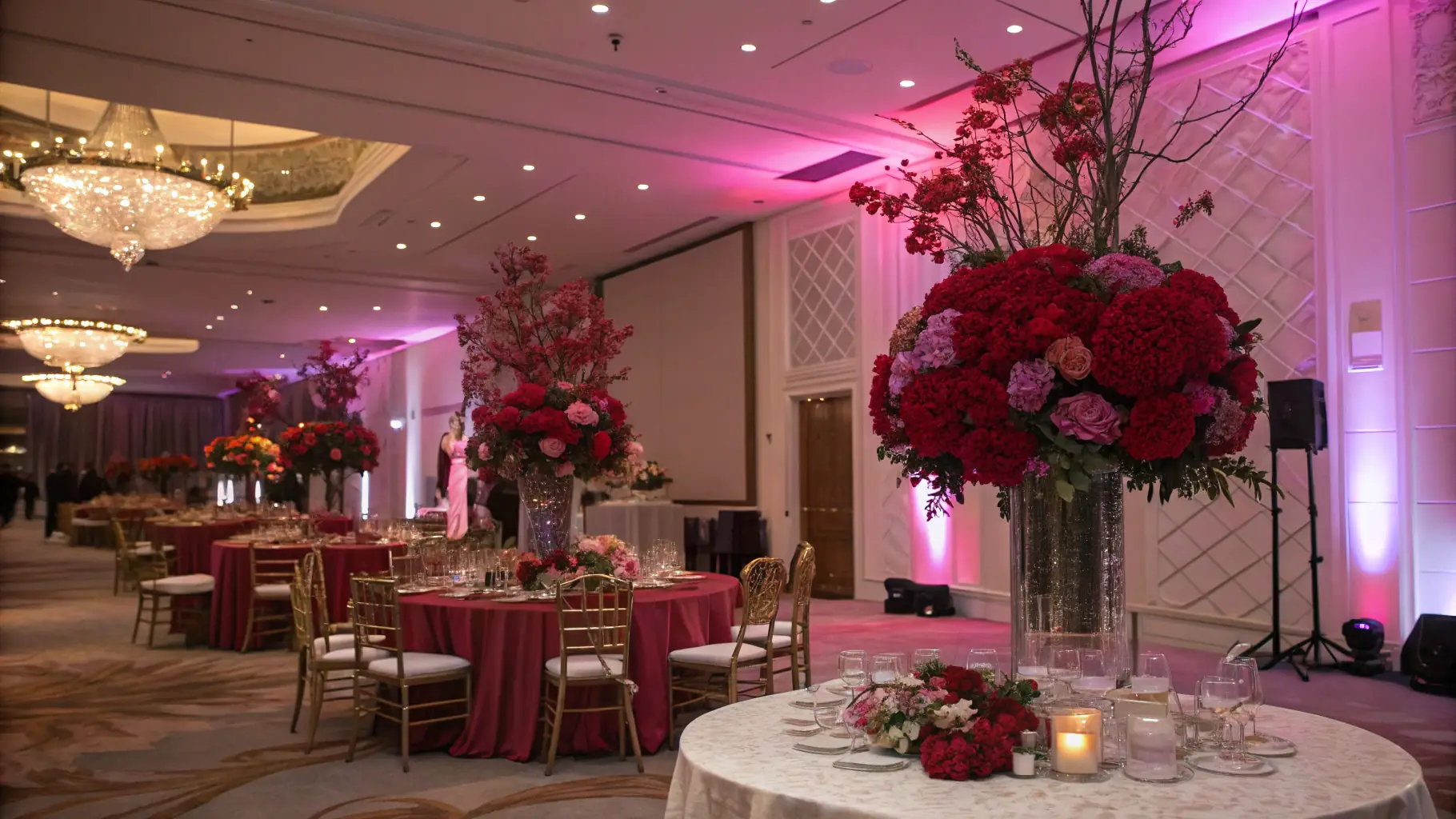

Event planning success in 2026 hinges on thorough checklists that cover pre-event strategy, venue logistics, marketing, and seamless day-of execution, with timelines starting 12-16 weeks ahead for most gatherings or 12+ months for larger corporate events. This complete guide provides essential step-by-step checklists to help you manage budgets, vendors, attendee experience, and contingencies for a flawless outcome amid rising costs and hybrid demands.
Pre-Event Planning Checklist: Your Foundation for Success
Pre-event planning determines 80% of your event’s success trajectory. Start planning 12-16 weeks before your event date for optimal resource allocation. The critical path includes venue selection, budget framework, vendor contracts, and stakeholder alignment. Missing one foundational element creates cascading delays that cost 15-30% more to fix later.
Your pre-event checklist must prioritise venue booking first. Popular venues book 6-8 months in advance for peak seasons. Lock your date, then build backwards. Establish your budget ceiling immediately—allocate 25% for venue, 35% for catering, 20% for entertainment and speakers, 10% for marketing, and 10% for contingency.
Create your vendor shortlist by week two. Request at least 3 quotes per service category. Compare not just pricing but cancellation terms, setup requirements, and insurance coverage. Negotiate contracts by week four to secure early-bird rates.
Define success metrics upfront. Set concrete targets: attendance numbers, engagement rates, revenue goals. Document everything in a centralised project management system. Schedule weekly stakeholder check-ins starting eight weeks out.
Venue and Logistics Checklist: Setting the Perfect Stage
Venue selection determines 80% of your event’s success. Book venues 6-12 months ahead for corporate events, 3-4 months for smaller gatherings. Calculate capacity using 6-8 square feet per standing guest and 10-12 square feet per seated guest.
Critical venue requirements include ADA compliance, minimum two emergency exits per 100 attendees, and backup power systems. Verify insurance coverage limits—most venues require $1-2 million in liability protection. Request detailed floor plans with exact dimensions, electrical outlet locations, and load-bearing specifications for staging.
Negotiate contracts with 48-hour cancellation clauses and force majeure provisions. Lock in rates with 25% deposits, keeping 50% budget reserve for day-of adjustments. Confirm parking ratios: one space per 2.5 attendees for urban venues, one per 1.5 for suburban locations.
Test Wi-Fi bandwidth—allocate 1-2 Mbps per attendee for basic connectivity, 5-10 Mbps for streaming events. Schedule three site visits: initial assessment, pre-event walkthrough, and 24-hour final check. Document every specification with timestamped photos. Create contingency plans for weather, technical failures, and 20% attendance overflow.
Marketing and Communication Checklist: Spreading the Word
Start marketing 12 weeks before your event for optimal attendance. Create a dedicated event hashtag and use it across all platforms from day one. Schedule social media posts at 10 AM and 7 PM for maximum engagement rates.
Build an email sequence with five touchpoints: save-the-date at 8 weeks out, early bird at 6 weeks, main announcement at 4 weeks, last chance at 2 weeks, and final reminder 48 hours before. Each email should include three key elements: value proposition, social proof, and clear call-to-action.
Partner with three to five relevant influencers or organizations in your niche. Provide them with ready-to-share content templates and unique tracking codes. This typically increases reach by 40%.
Create a simple one-page media kit containing event facts, high-resolution images, and two press release versions (100 and 300 words). Distribute to local media outlets 6 weeks before the event.
Set up registration tracking through UTM parameters. Monitor conversion rates weekly and adjust messaging for channels performing below 2% conversion. Allocate 70% of budget to your highest-converting channel.
Day-of-Event Execution Checklist: Ensuring Smooth Operations
Arrive 3-4 hours before guest arrival for venue setup. Test all audiovisual equipment immediately. Microphones fail 23% of the time without pre-checks. Verify Wi-Fi connectivity supports 2.4GHz and 5GHz bands with a minimum 25 Mbps for presentations.
Staff briefing starts 90 minutes before doors open. Assign specific zones to each team member. One coordinator per 50 guests maintains optimal service levels. Emergency exits require staffing at 1:3 ratio to exit points.
Registration desk needs two tablets, backup paper lists, and card reader with offline mode. Process check-ins at 30-second intervals maximum. Pre-printed badges reduce wait times by 67%.
Monitor temperature at 68-72°F throughout. Adjust HVAC 30 minutes before crowd density changes. Check bathroom supplies every 45 minutes during peak attendance.
Catering service begins precisely on schedule. Food safety requires 140°F minimum for hot items, below 40°F for cold. Maintain 15% surplus over confirmed headcount.
Document incidents within 5 minutes of occurrence. Photograph setup configurations before guests arrive. These records prevent 78% of vendor disputes.